
Salt and Drought Tolerant Plants for Upper Midwest Roadsides and Hardscape Plantings
Roadside landscapes in the Upper Midwest face extreme stress. Plants contend with heat, reflected light from asphalt and concrete, compacted soil, low nutrients, winter salt, and potentially long stretches without care. To thrive in harsh conditions near hardscapes and where foot traffic and frequent road applications are a reality, plants need a combination of these key traits:
- Deep and extensive roots: Access water during dry periods and anchor the plant in compacted soils. Examples include Little Bluestem (Schizachyrium scoparium) and Prairie Dropseed (Sporobolus heterolepis).
- Tolerance to poor, compacted, and dry soils: Many roadside soils are shallow or rocky and nutrient poor. Species like Blue Grama (Bouteloua gracilis) and Black-eyed Susan (Rudbeckia hirta) can handle these conditions and actually work to improve soils.
- Salt tolerance: Road salt can damage roots and foliage, but plants such as Switchgrass (Panicum virgatum), Yarrow (Achillea millefolium), and Blue Grama withstand moderate salinity.
- Heat and sun exposure adaptation: Hardy species thrive in reflected heat and full sun, such as Blanket Flower (Gaillardia aristata) and Wild Bergamot (Monarda fistulosa).
- Structural form and flexibility: Upright clumps or stiff stems resist wind, mowing, snow, and vehicle splash. Little Bluestem and Monarda stand tall in fully exposed conditions.
- Drought resistance and water efficiency: Xeric adaptations—like fine leaves and slow water use—help species like Prairie Dropseed, Purple Prairie Clover (Dalea purpurea), and Yarrow survive extended dry periods.
- Perennial life cycle and longevity: Long-lived perennials establish strong root systems, reducing maintenance and providing consistent ecological benefits.
- Ecological interactions: Native species attract pollinators and provide habitat, enhancing ecosystem stability. Monarda and Purple Prairie Clover support bees and hummingbirds, while seedheads from species like Black-eyed Susan feed birds in winter.
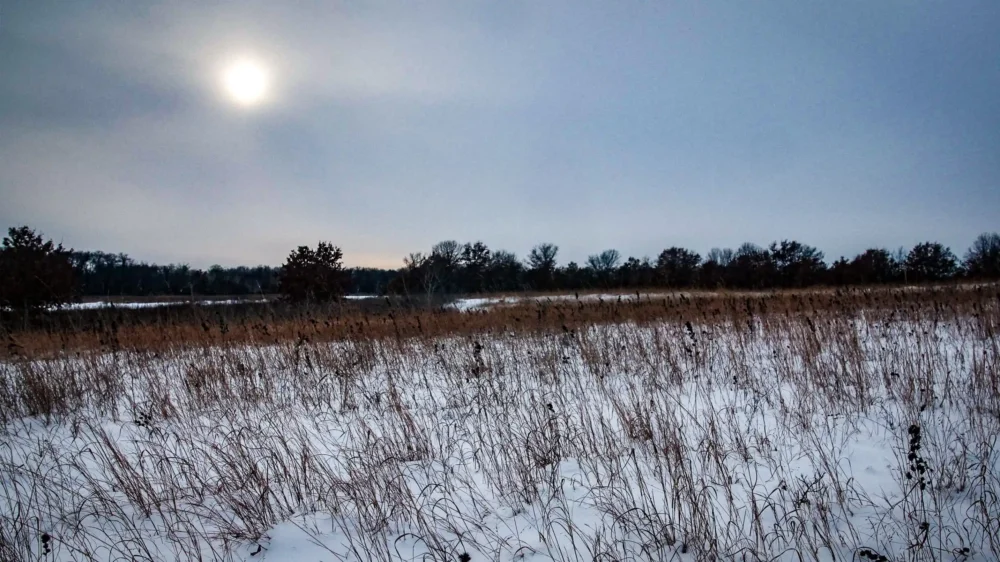
Even with these traits, occasional watering may still be necessary during extreme drought or unusually long periods without rainfall, especially while plants are establishing.
Top Native Species for Upper Midwest Roadsides
- Prairie Dropseed (Sporobolus heterolepis)
Forms neat, fountain-shaped clumps with fine texture that hold through the season. Thrives in dry, low-nutrient soils and stays attractive in harsh winters.
- Little Bluestem (Schizachyrium scoparium)
Upright, colorful clumps persist into winter. Deep roots support drought tolerance, and the plant stands firm even under snow or mowing.
- Switchgrass (Panicum virgatum)
Provides structure in medians or open roadside areas. Adaptable to a range of soils, including clay and compacted sites, and tolerates heat and salt exposure.
- Blue Grama (Bouteloua gracilis)
Short, tidy clumps suitable for narrow strips. Handles saline soils and thrives in dry, poor conditions.
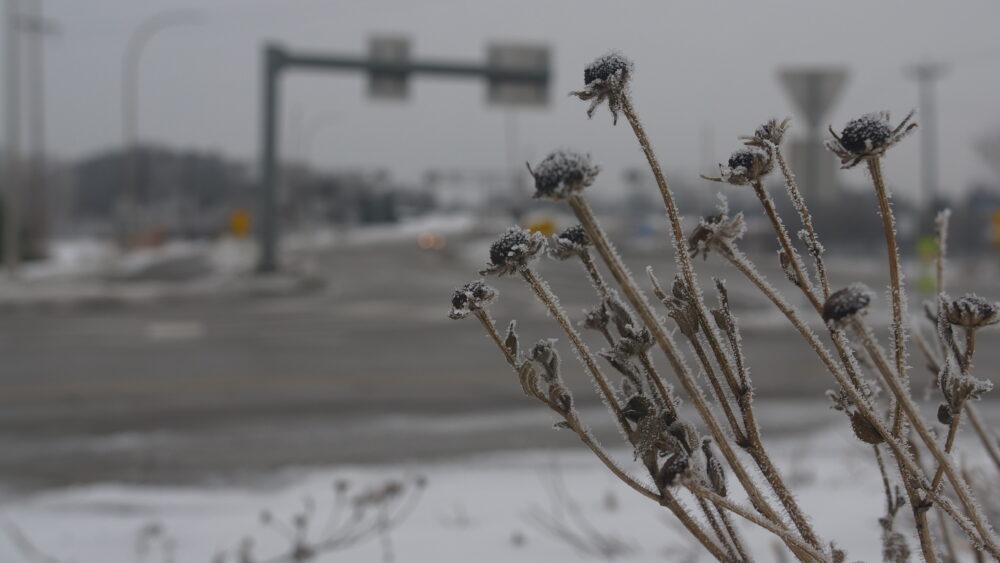
- Black-eyed Susan (Rudbeckia hirta)
Quick to establish and fill gaps, tolerates dry, compacted soil, and provides dependable early-season color.
- Yarrow (Achillea millefolium)
Fernlike foliage resists salt spray, fills space without becoming aggressive, and continues to bloom even in dry conditions.
- Purple Prairie Clover (Dalea purpurea)
Upright habit and narrow leaves withstand heat and wind. Fixes nitrogen in poor soil and attracts pollinators.
- Wild Bergamot (Monarda fistulosa)
Adds height, color, and fragrance. Moderate spread, tolerates dry to medium soils, and attracts bees and hummingbirds.
- Prairie Smoke (Geum triflorum)
Low-growing, clump-forming perennial with finely divided foliage and distinctive pink, feathery seed heads. Thrives in dry, rocky, or sandy soils and full sun. Deep taproots make it highly drought tolerant, and its compact form helps it survive in exposed, high-traffic roadside areas.
These species combine structural resilience, drought and salt tolerance, and ecological benefits to create roadside plantings that are low-maintenance and long-lasting. They succeed where irrigation is impossible, soil is poor, and stress is constant, making them ideal for boulevards, medians, and hardscape edges.
Biodiversity matters
It is worth mentioning that these are not the only species that can thrive near roads and surrounded by punishing hardscapes. Hoary Vervain (Verbena stricta), Prairie Cinquefoil (Drymocallis arguta), Leadplant (Amorpha canescens), and Silky Asters (Symphyotrichum sericeum) also do very well in sunny areas with poor soils that are subject to winter stresses such as snowpack and salt treatments.
A note of caution: roadside pollinator plantings are not risk-free
Native wildflower and pollinator plantings along roadsides may seem like a win for bees, butterflies, and other beneficial insects, but research cautions that the reality can be more complicated. Roadsides often collect runoff from traffic — exhaust, tire wear, road salt and heavy metals — that accumulate in soil, plants, pollen and nectar. In some cases, contamination can impair pollinator health, reduce foraging efficiency, or suppress population growth.
Moreover, roadside plantings located near agricultural land or managed fields may expose pollinators to pesticide drift or long-lasting systemic insecticides in soil — even when the pollinator gardens themselves are not treated.
Finally, the simple fact of placing pollinator-attracting flowers next to a road doesn’t guarantee a safe habitat. Roads fragment landscapes, deliver chemical stressors and expose pollinators to vehicle collisions. Without careful site selection, diversity of plantings, thoughtful mowing/herbicide management, and buffer zones, a planting meant to help pollinators could end up putting them at risk.
For those reasons, floral design along roadsides should be approached with caution — not only aiming to provide nectar and pollen but also minimizing environmental hazards.
Leave a Reply