

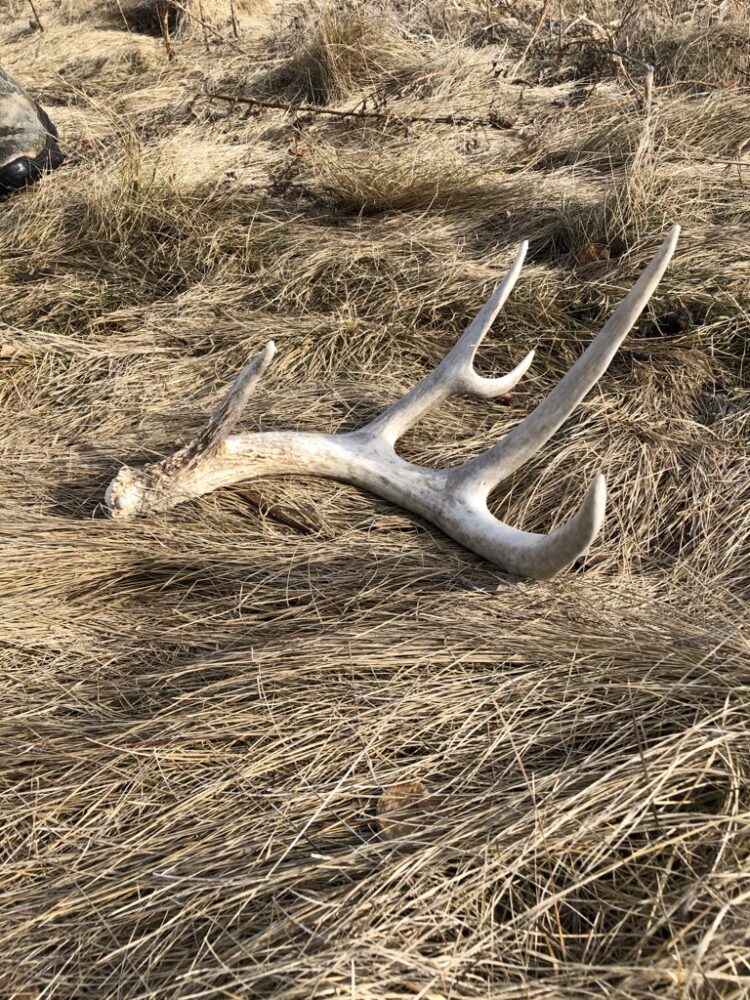
Growing native plants will grow your chances of a successful hunt
In the upper Midwest states like North Dakota, South Dakota, Minnesota, and Wisconsin, hunters and conservationists alike have been turning to native vegetation to improve habitat for the animals they hunt. Whitetail deer, turkeys, elk and even black bears prefer native plant food sources that bloom and produce seeds and berries throughout the growing season. Native plants are more effective than non-native species in supporting sustainable hunting and wildlife populations throughout the year, thanks to the ongoing food sources provided by a diverse native plant community.
How do native plants improve the hunt?
Unlike non-native plants, native species have co-evolved with local wildlife for thousands of years. Big Bluestem and Switchgrass offer tall, dense cover ideal for bedding and fawning areas for deer and elk, as well as nesting cover for turkeys and upland birds. These grasses also form windbreaks and thermal cover for deer during harsh Midwest winters and seeds that become a vital food source. Have you ever seen a deer bedding down in a turf grass lawn to escape the harsh winds or hide from predators?
Partridge Pea and Showy Tick Trefoil supply high-protein forage that attracts everything from deer to pollinating insects, while Common Ox-eye produces seeds that are a vital food source for turkey poults and waterfowl broods. These native species support the full life cycle of many game animals, boosting survival and reproduction rates by providing reliable food and shelter.
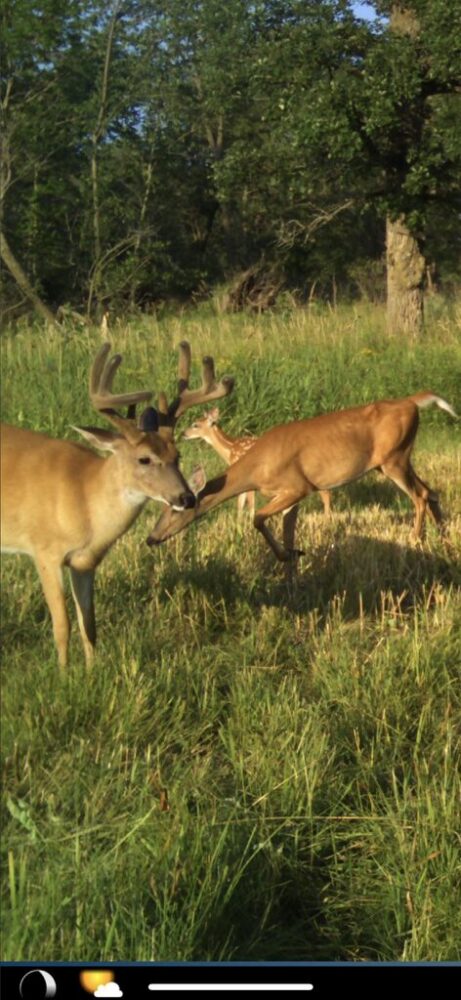
Planting a diverse mix also ensures that these food sources are available throughout the season as different species bloom and seed out at different times of the year – providing a continual resource throughout the growing season that’ll make even the most skittish trophy buck want to stick around.
Corridors and connectivity
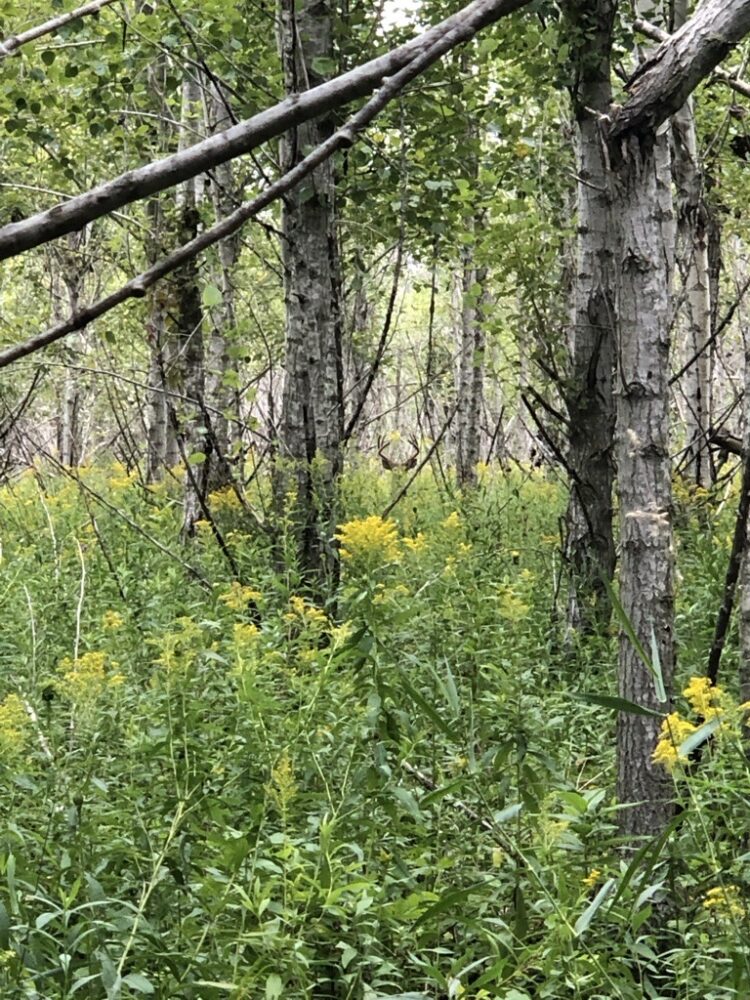
Native vegetation also creates natural travel corridors. Dense native stands of tall grasses and forbs provide pathways that allow game animals to move safely between feeding and bedding areas. By cutting back areas overgrown by woody vegetation and planting native grasses and forbs, hunters gain more control over the direction these game animals move and where they will naturally be drawn to. Allowing invasive woody species like buckthorn to take over will discourage wildlife from moving into an area and make it harder to find an opening to shoot. Why struggle to find the perfect ambush site when you can plant one instead?
A Better Investment
Planting non-native grasses or monocultures may seem cost-effective, but they lack the biodiversity needed for long-term habitat health. Native plantings, once established, require less maintenance, compete with invasive species, and improve soil and water quality — supporting both game and non-game species across the landscape. Planting natives is one of the best ways hunters can improve their chances of success. And native plants seed themselves year after year, ensuring that you have a habitat that’s thriving season after season, bringing more animals to your favorite spots to watch for them.
The “Edge Effect”
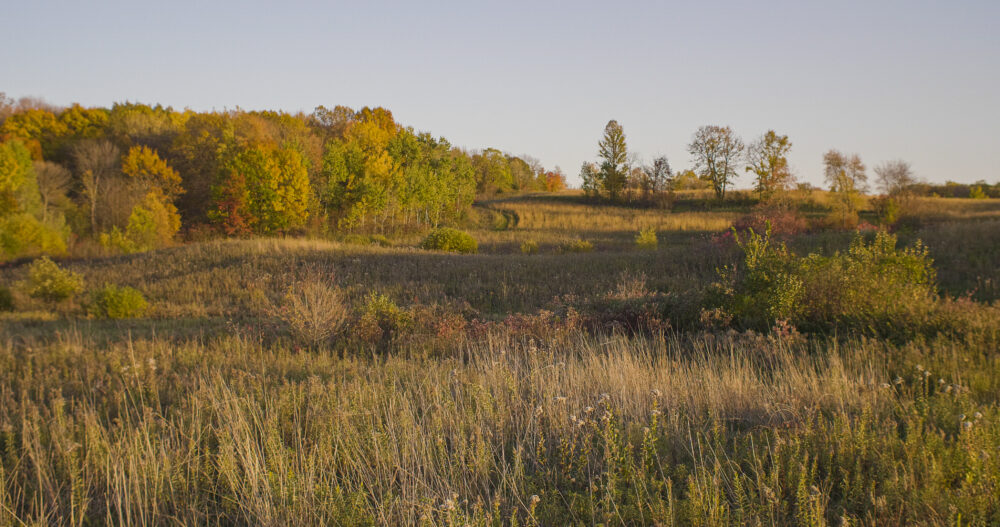
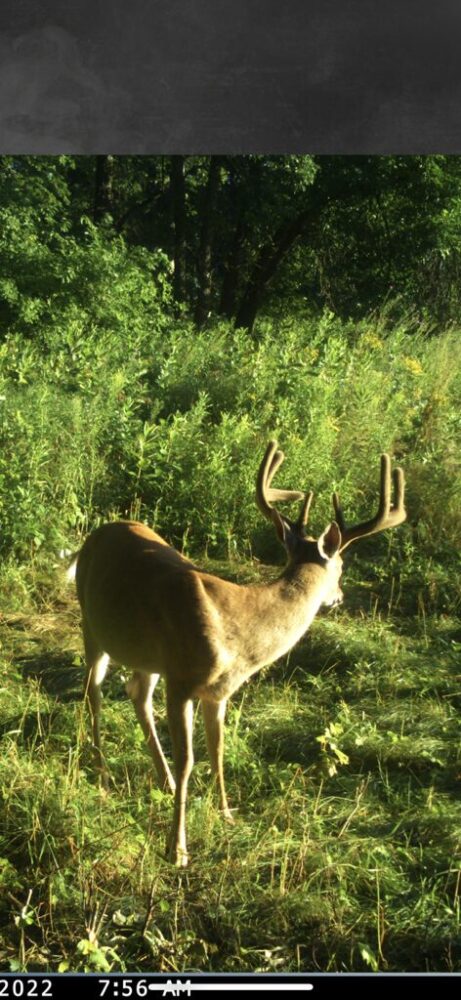
Planting native plants near a food plot enhances its effectiveness for hunting by creating a more diverse and attractive habitat through what’s known as the “edge effect.” This phenomenon occurs where two or more different ecosystems meet – such as a food plot and a stand of native vegetation surrounded by or adjacent to a woodland – resulting in increased biodiversity and wildlife activity. The transition zone, or “edge,” provides cover, bedding, and a variety of forage options, making it a hotspot for deer and other game animals. Native plants support local insects and birds, attract pollinators, and offer natural concealment, encouraging animals to linger near the plot longer and feel more secure. This increased activity and use of the area can lead to more frequent and consistent wildlife sightings, improving the chances of a successful hunt.
For hunters, landowners, and conservationists in the Upper Midwest, investing in native vegetation is a win-win. It’s a strategy rooted in history and vital to the future of hunting and habitat conservation. Increase native vegetation and you’ll increase sightings, improve the health of the animals you seek and give wildlife a reason to stay put when you’re looking to take the shot.
Recommended Native Species for Conservation
- Big Bluestem – Bedding and cover
- Switchgrass – Windbreak and nesting cover
- Partridge Pea – Forage and pollinator support
- Showy Tick Trefoil – Protein-rich food source
- Common Ox-eye – Insect and seed food base
- Recommended Seed Mixes for creating ideal hunting habitat
- MNL Savanna Mix – Best for woodland edges
- MNL Mesic Prairie Mix – Amazing mix of tall grasses that will develop into a haven for deer, turkeys, pheasants etc
By planting native, you’re not just growing habitat — you’re growing opportunity
Leave a Reply