
Wildfire readiness isn’t just a concern for the
western United States anymore.
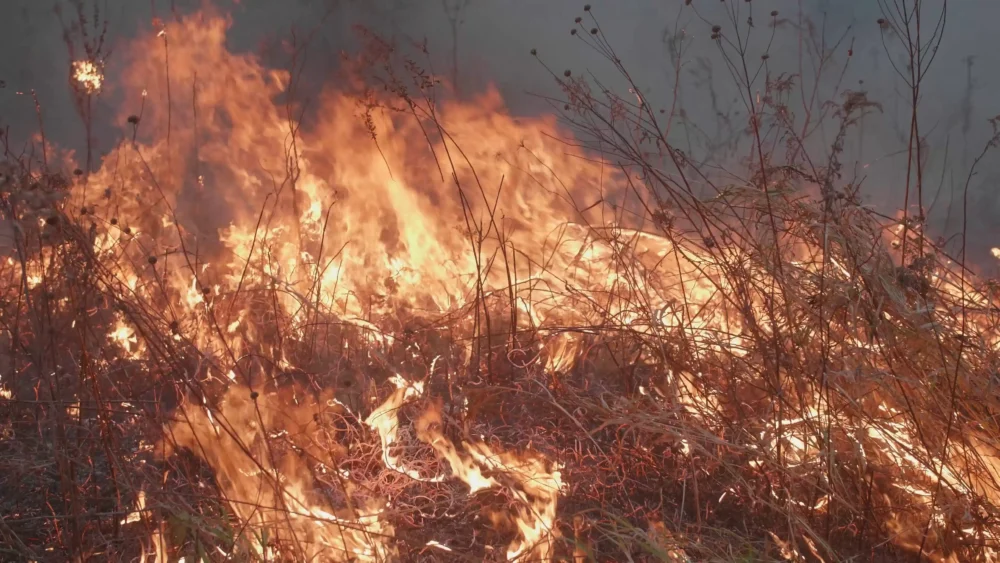
Everyone knows that places like California are highly susceptible to wildfires. All across the country, we’re experiencing longer dry periods, increased fuel loads, and more volatile weather patterns that are creating conditions where fire risk is no longer hypothetical or regional.
A lot of large solar projects are being proposed or already operating in areas of the country with wide open lands that can capture as much of the sun’s energy as possible. But storms roll through and winds behave erratically. The forces of nature are difficult if not impossible to control. We need to be ready for ‘what ifs’, especially when it comes to wildfire.
And that’s where WMP’s come in.
A Wildfire Mitigation Plan (WMP)
provides a structured approach to identifying, reducing, and managing fire risk across a property or portfolio of assets. Without a plan in place, response tends to be fragmented and delayed, which are two things that significantly increase risk exposure and cost of any damage that can occur.
A strong management plan helps answer key questions:
- How could a fire start, and how would it spread?
- What mitigation steps are most effective?
- Where are the highest-risk fuel loads on site?
- Who is responsible for response, and how is that coordinated?
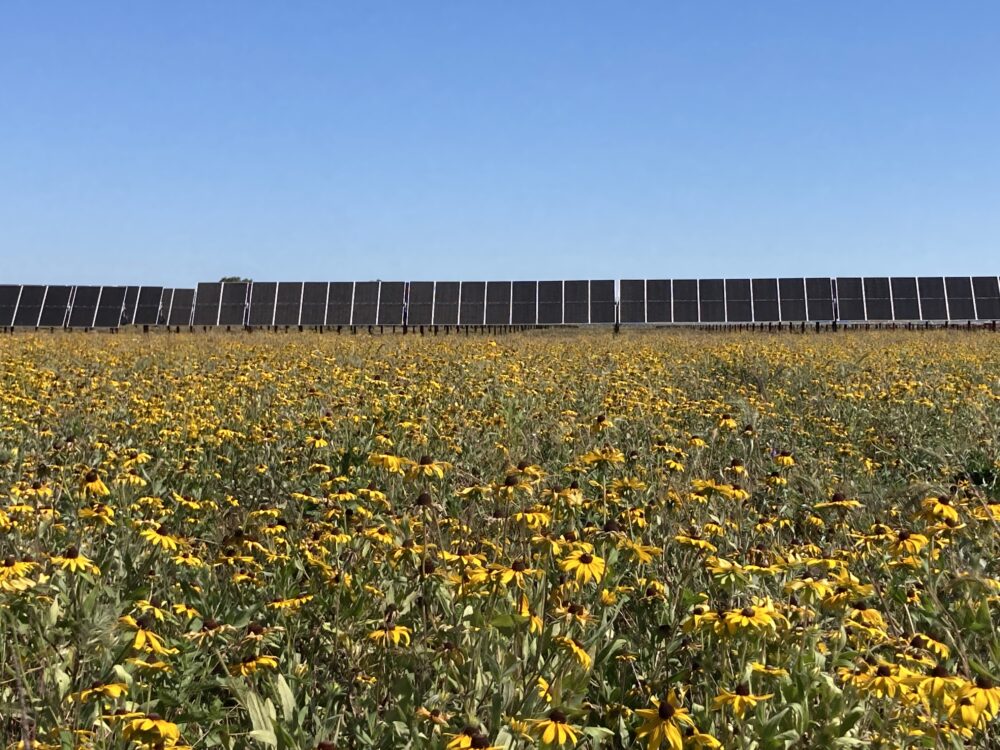
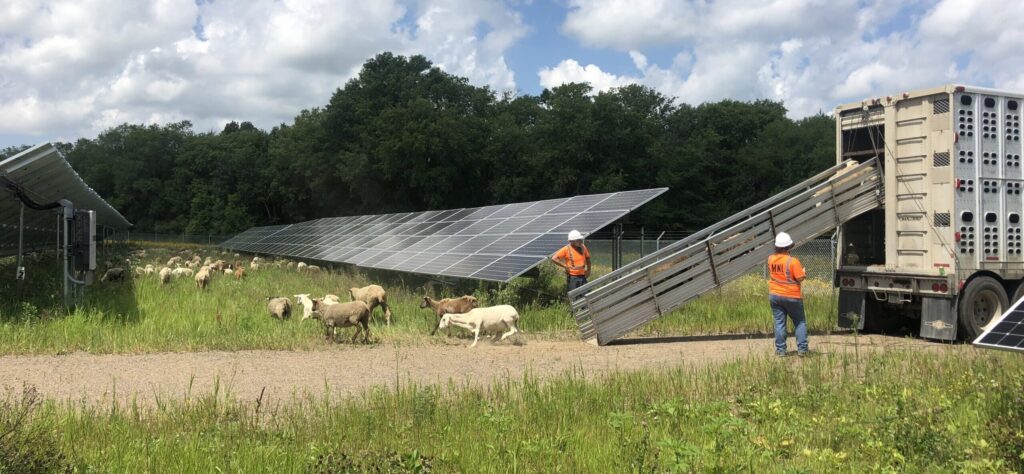
We no longer have thousands of bison grazing our plains, or other wild grazing animals that once dominated our forests and savannas. Instead, we have dense thatch, invasive species, and woody encroachment, which can all contribute to higher fuel loads and more intense fire behavior. Unmanaged vegetation still poses the greatest risk to infrastructure, and solar producers cannot control these risks outside the fence.
This is where ecological restoration and fire readiness intersect. Practices like prescribed burning, native vegetation management, and strategic mowing aren’t just about creating habitat, they directly reduce fire intensity and improve controls in place. Knowing which tools work best for the scenarios we all hope will never happen requires a deep understanding of fire behavior, mitigation steps, and communication protocols that keep everyone safe and aware. A WMP ties these practices together into a long-term strategy. It’s a plan every largescale developer should include in their risk management strategy.
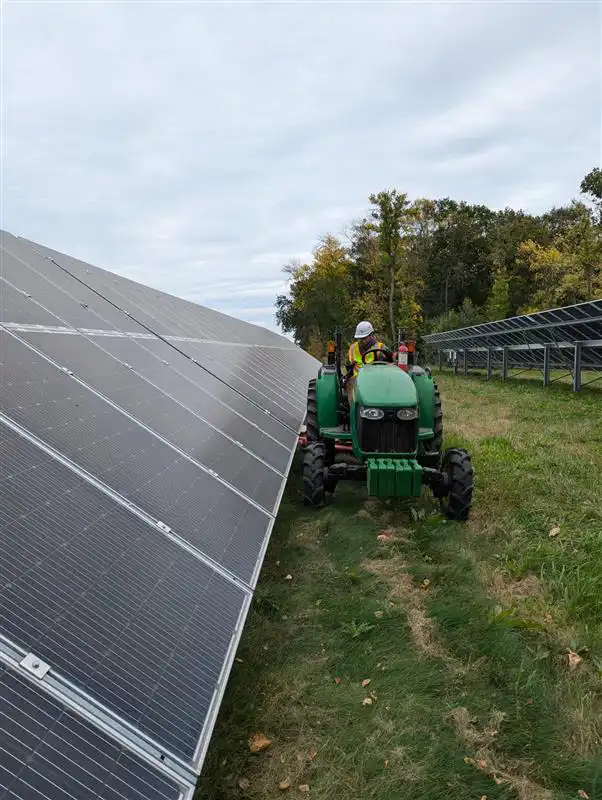
Wildfire events are inherently unpredictable, but preparedness doesn’t have to be.
Organizations that invest in wildfire planning now are better positioned to reduce risk, protect assets, and respond effectively when conditions escalate.
We approach Wildfire Management Plans through the lens of both ecology and operations, grounded in how landscapes actually behave over time. If wildfire readiness is becoming part of your risk profile, now is the time to get ahead of it.
Leave a Reply