

Unlocking the Benefits of Dormant Seeding
As fall sets in and the reality of freezing temps and snow is right around the corner, many people assume the window for sowing native seed has closed. But in fact, fall and even winter seeding (dormant seeding), offer unique advantages to spring seeding. Doing it right can help your landscape flourish in the years ahead.
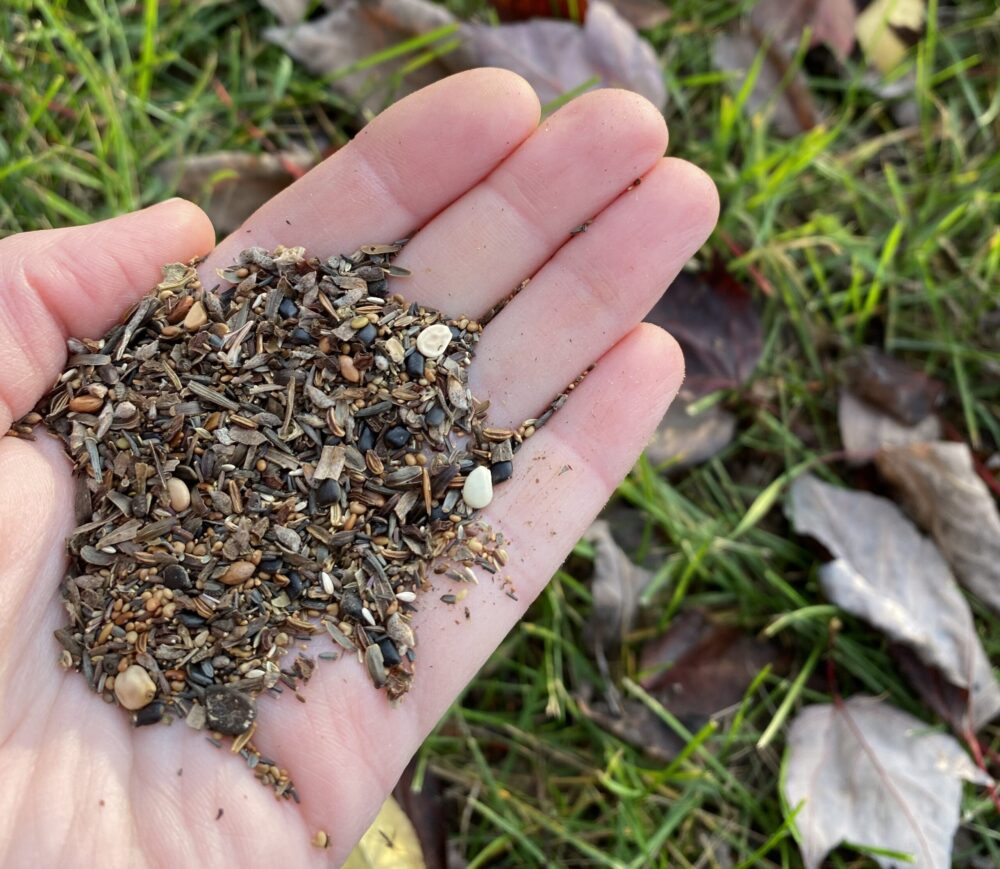

What Is Dormant Seeding?
Dormant seeding means sowing seed when temperatures are cold enough to prevent germination (often late fall or early winter). The seed stays inactive through winter, then naturally “wakes up” in spring when conditions are favorable.
Advantages of Dormant Seeding:
- Natural stratification: Seeds of many native species require cycles of freezing and thawing to break dormancy. When seeds go through those cycles in the soil over winter, they’re more likely to germinate successfully in spring.
- Better timing and flexibility: Unpredictable spring weather often allows a narrow seeding window when soil is workable, moisture levels are right, and competitive weeds are not yet dominating. With fall or winter seeding, you’re not rushed by spring deadlines.
- Early root establishment: Seeds stratified by the cold winter and already in their new home, can germinate and start growing as soon as conditions allow. This head start can add several additional weeks to establish root systems before the summer heat and stress, leading to better survival.
- Reduced competition: Since seeds stay dormant until conditions are ideal, they face fewer early weeds and less competition than seeds sown in spring.
- Snow-seeding option: Late winter allows you to broadcast seed on top of snow; as the snow melts, seeds gently fall into the soil, ready to germinate when warmth returns.
What This Means for Your Garden
Instead of waiting until April, fall and winter seeding lets nature do the heavy lifting. You’re giving seeds a more gradual, natural path to germination, reducing competition, and positioning your garden to hit spring running. Over time, this strategy can lead to better plant establishment, stronger root systems, and more resilient native landscapes.
Plant now (or plan your seeding strategy), give seeds time to settle in, and let the cycles of winter work in your favor. Your spring garden will thank you!
Leave a Reply