
Description
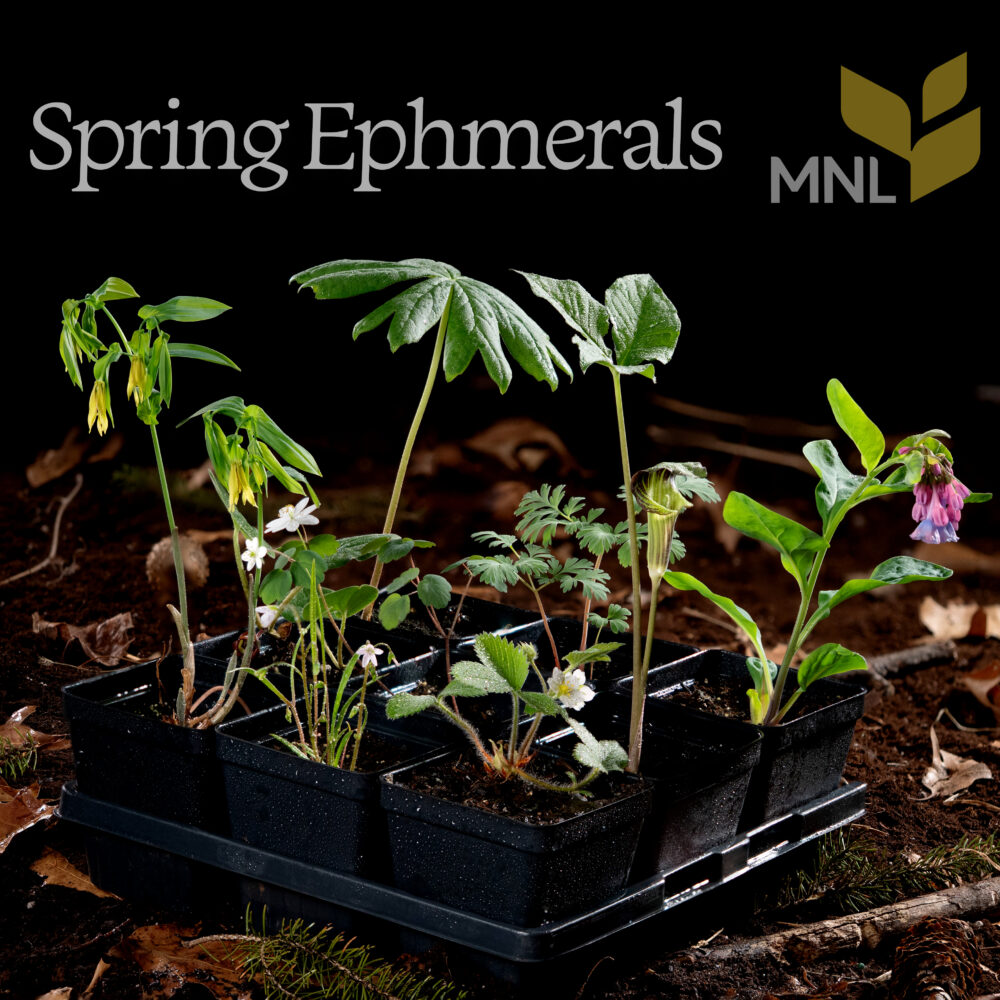
*Ordering and shipping update: Spring Ephemeral and Unique Species Bundle ordering will close Sunday, May 3. Bundles are currently scheduled to ship Tuesday, May 5, pending production and weather. Shipping dates are subject to change. You will be notified by email prior to shipment.
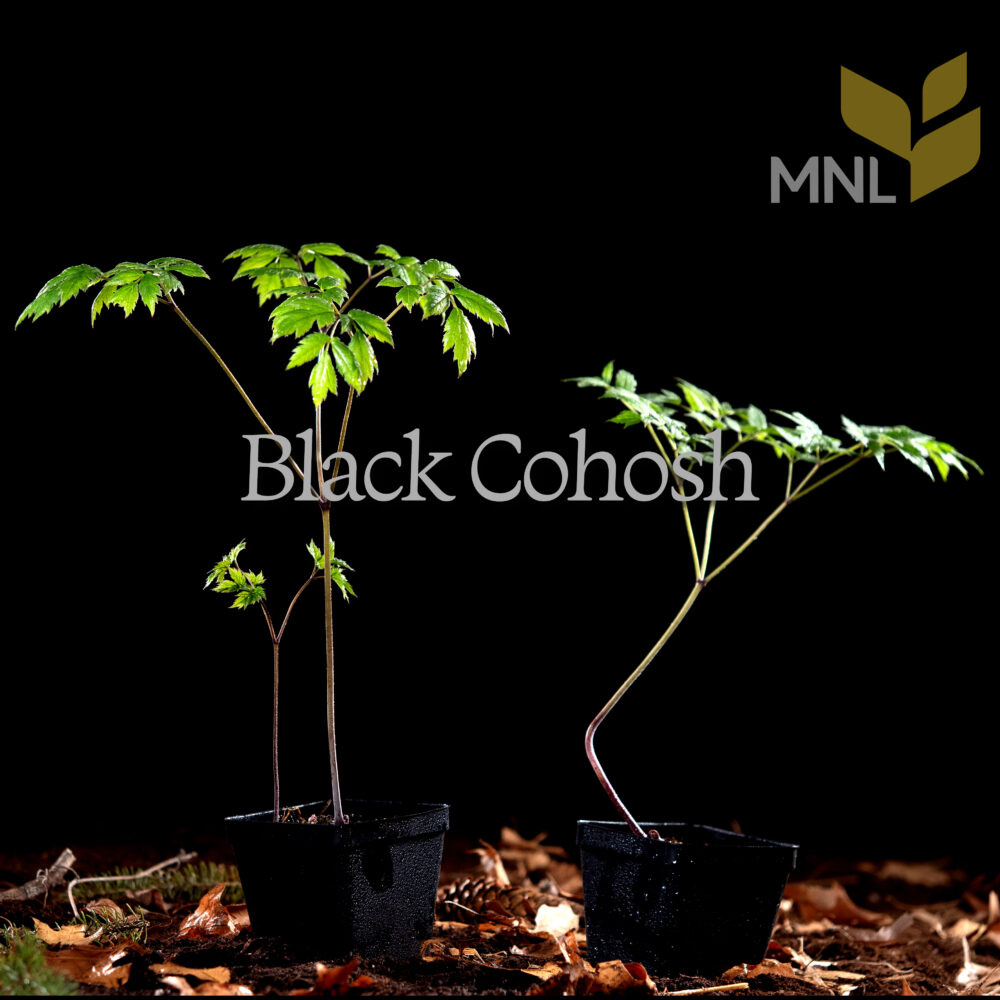
Black Cohosh
Actaea racemosa. A tall, summer-blooming, shade-loving native of rich woodlands, known for its bold foliage and striking flower spikes. Fern-like leaves form a dense clump early in the season. In early to mid-summer, long, wand-like clusters of small white flowers rise above the foliage, creating a soft, airy look. Typically grows 4–6′ tall, with 8′ possible in ideal conditions. Blooms from June to July. Thrives in moist, well-drained soil and part to full shade. A great choice for adding height and elegance to woodland plantings.
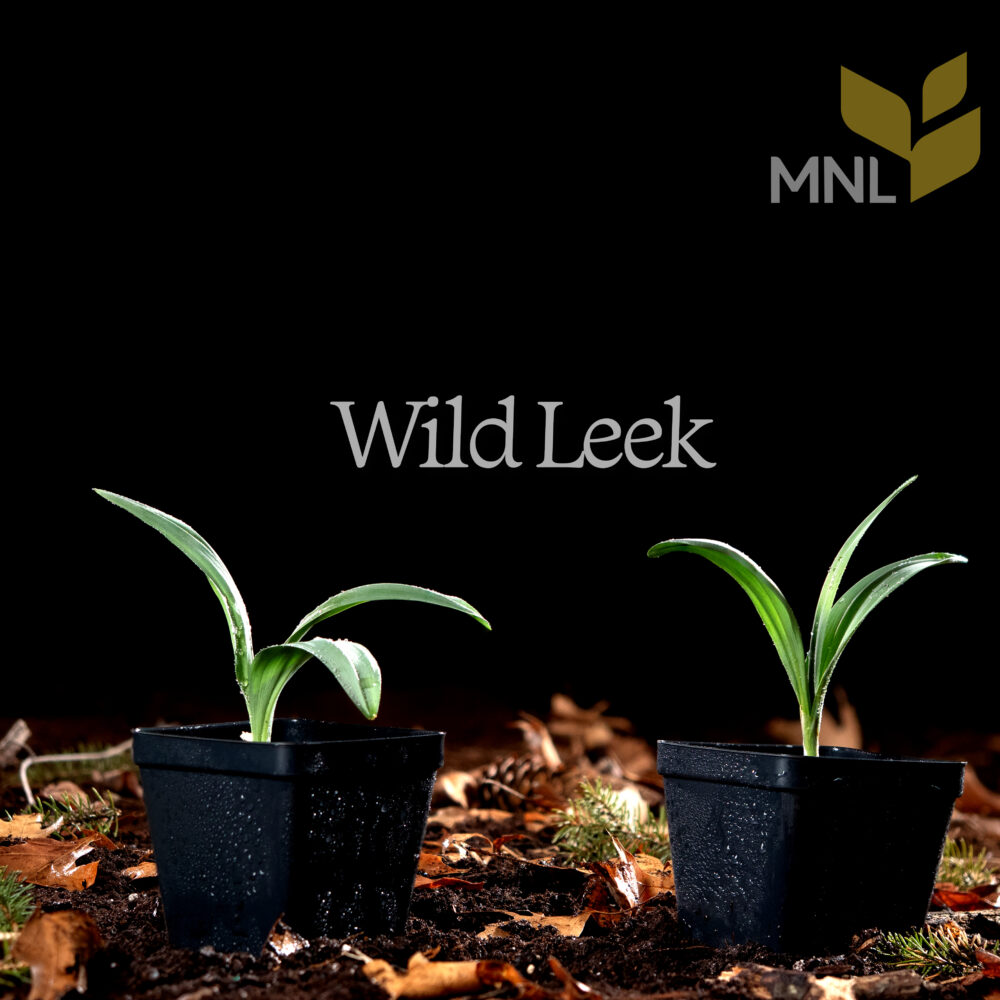
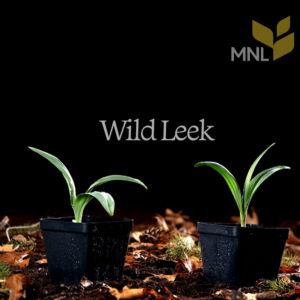
Wild Leek
Allium tricoccum. A popular spring ephemeral species in the onion family, often found in rich woodlands and known for its broad leaves and strong onion-like aroma. Smooth, oval leaves emerge early in spring, reaching 6–12″ tall before fading by early summer. After the leaves disappear, a single stalk with a rounded cluster of small white flowers appears in June to July. Thrives in moist, rich soil and part to full shade. A classic woodland species, perfect for shady gardens and wooded areas.
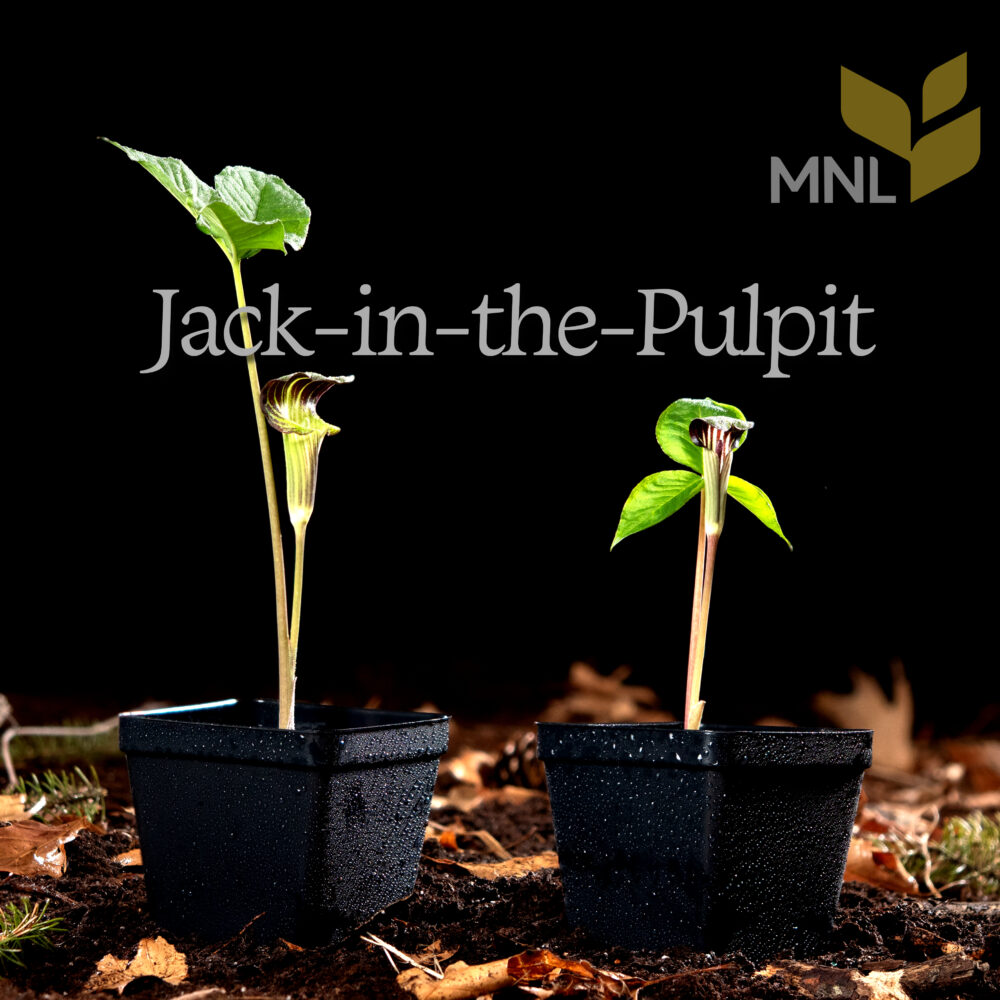
Jack-in-the-Pulpit
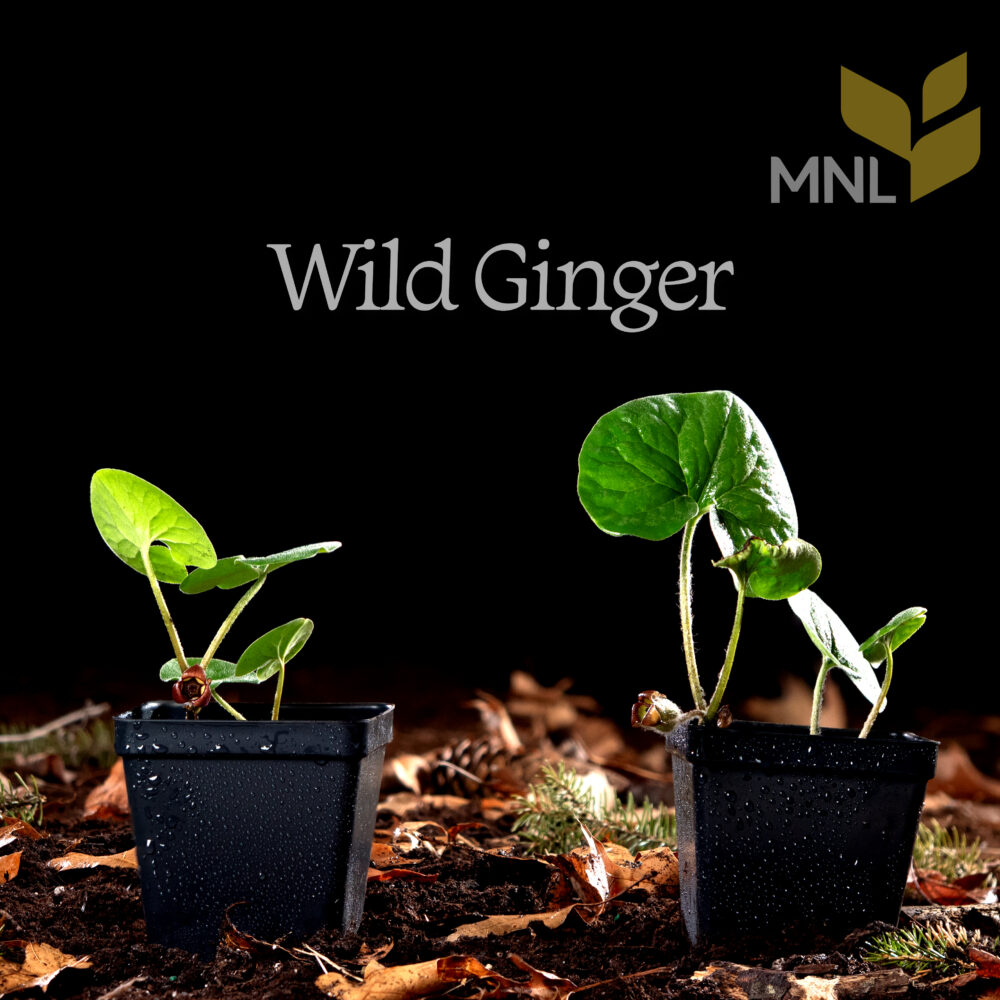
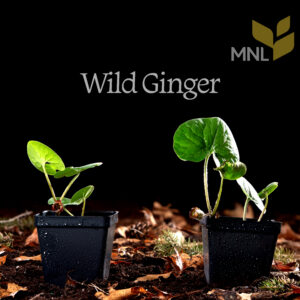
Wild Ginger
Asarum canadense. A low-growing native that spreads in shady woodlands with soft, heart-shaped leaves that form a lush groundcover. In spring, it hides a small, maroon flower beneath its leaves which can be easy to miss, but fun to find! Ranges in height from 4-8″ and blooms in April to May. Wild Ginger loves rich, moist soil and deep shade. It’s perfect for woodland gardens or shady spots under trees where other grasses are hard to grow.
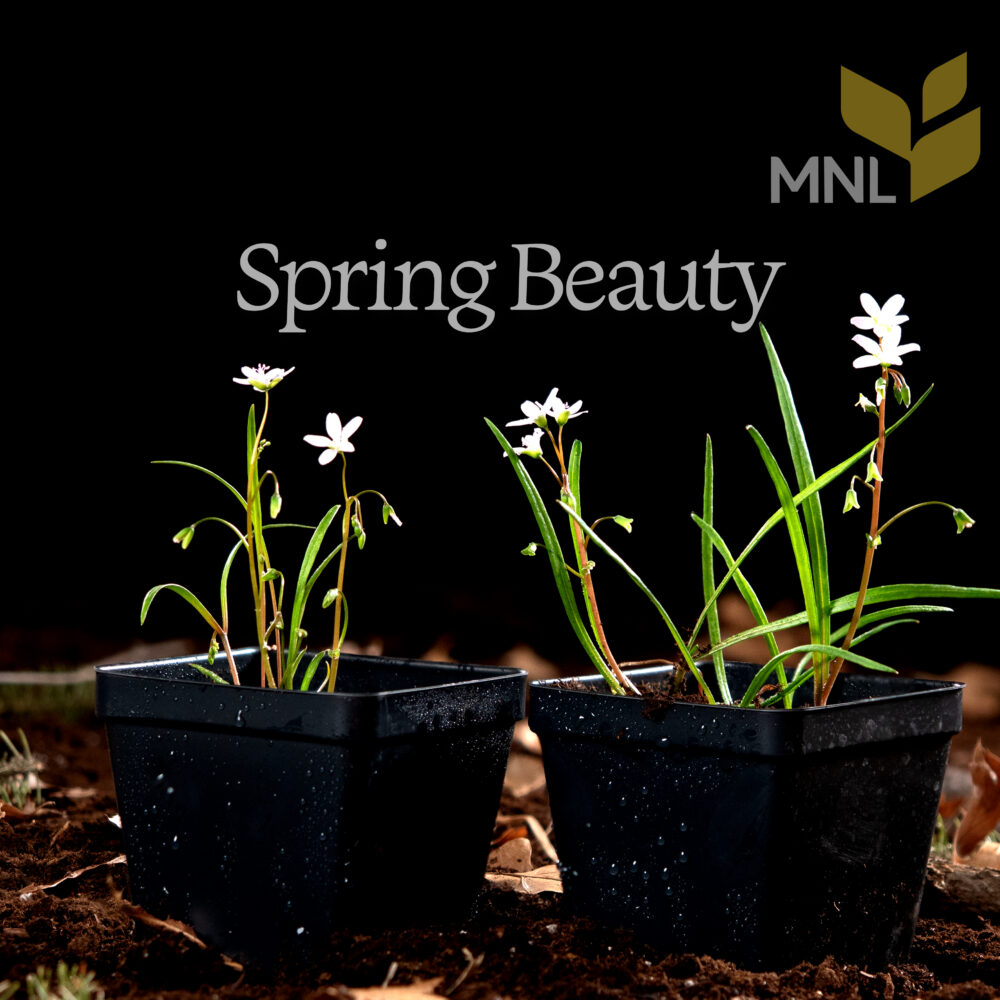
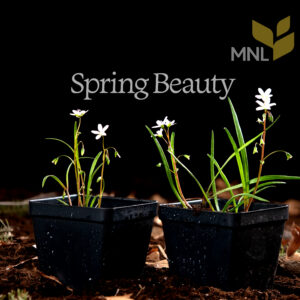
Spring Beauty Sold Out!
Claytonia virginica. One of the first wildflowers to bloom in early spring, bringing soft color to shady woods and gardens. Spring Beauty quietly welcomes spring before the trees leaf out and and quickly returns to dormancy after blooming. Its grass-like leaves grow 4-10″ in height. Delicate white to pale pink or lavender flowers with darker stripes bloom from early April to May. It thrives in moist, well-drained soil and part to full shade.
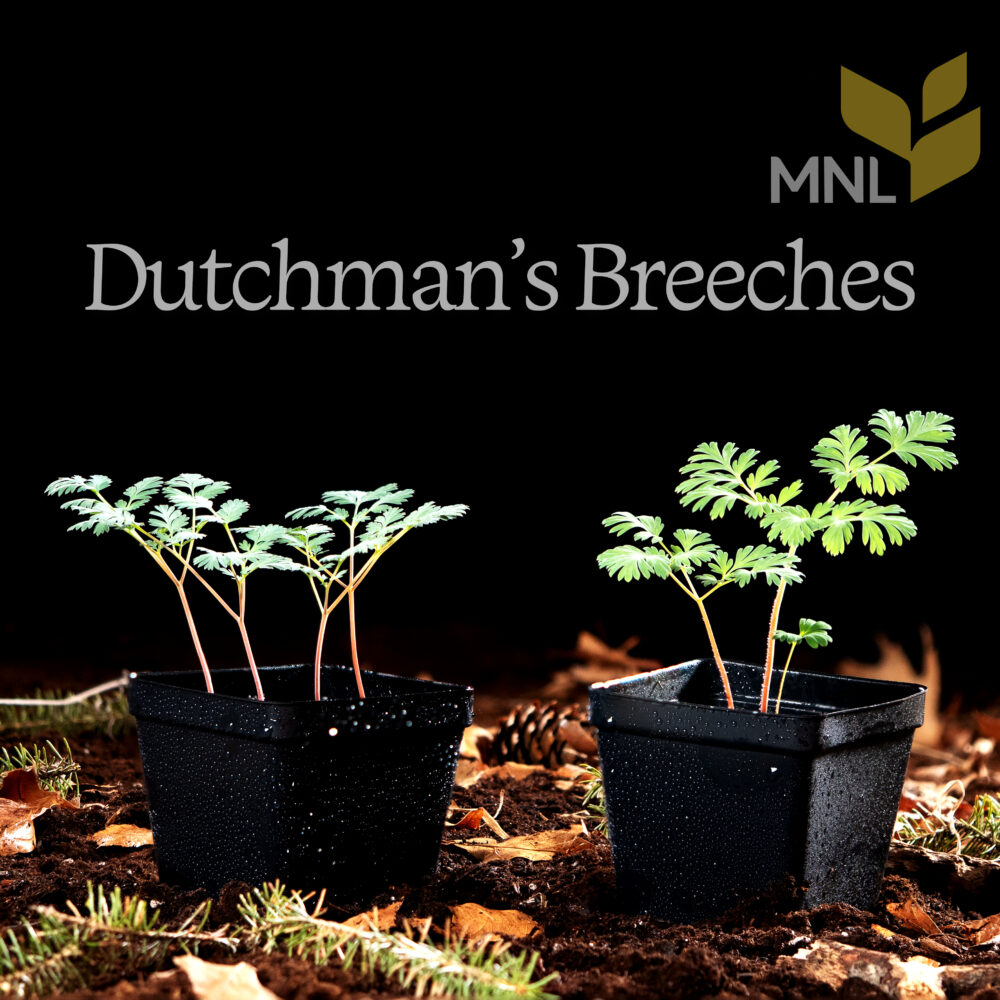
Dutchman’s Breeches
Dicentra cucullaria. Dutchman’s Breeches derives it’s common name from white and yellow, pantaloon-shaped blossoms that appear to dangle like pants hanging on a clothesline on laundry day. Blooming in April to early May, flowers rise 6-12″ above soft, fern-like leaves. It prefers moist, rich soil and shady woodland settings. This spring ephemeral will grow and blossom quickly and return to dormancy by early summer.

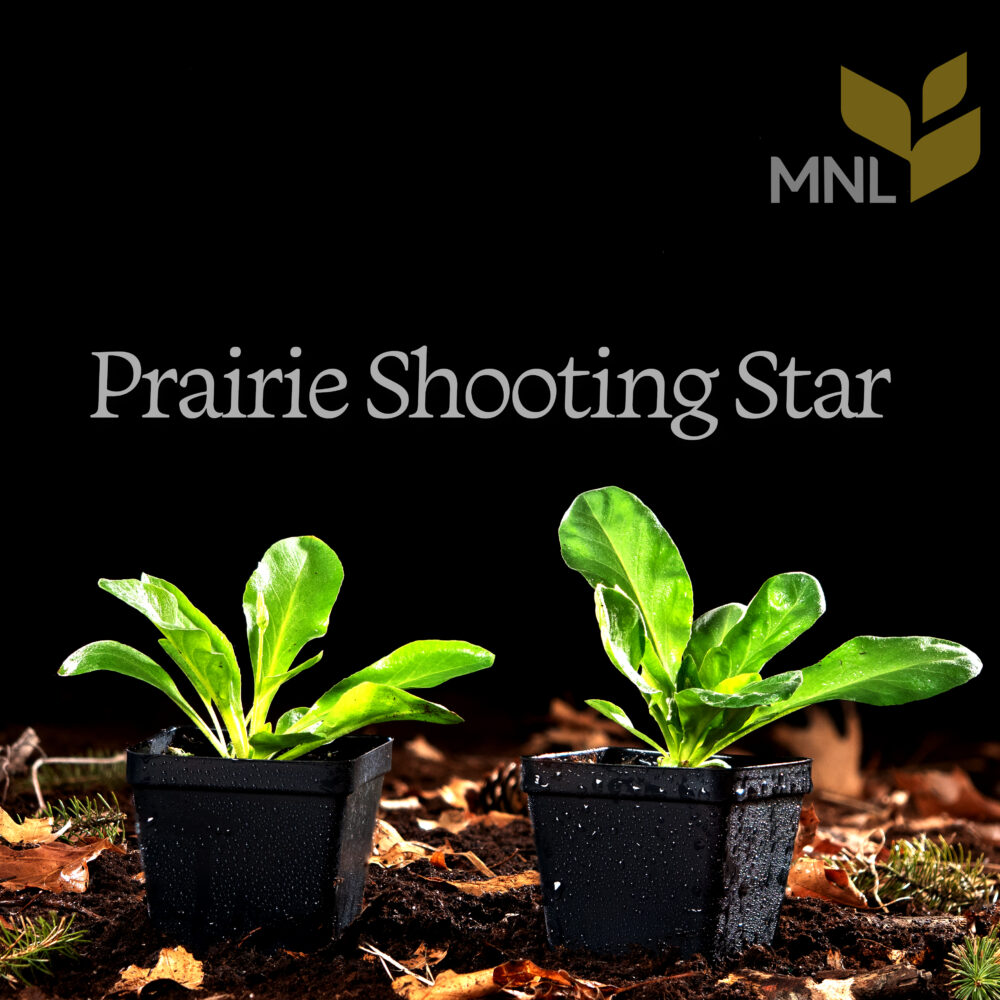
Prairie Shooting Star
Dodecatheon meadia. Smooth, lance-shaped leaves form a low rosette at the base and sends up taller narrow shoots, 12-24″ tall. Striking wildflowers, pink to lavender in color, look like tiny shooting stars atop the tall, nodding stems. Blossoms generally appear in May and early June. Prairie Shooting Star thrives in full sun to light shade and well-drained soil, especially in prairies or open woodland edges. A true spring showstopper!

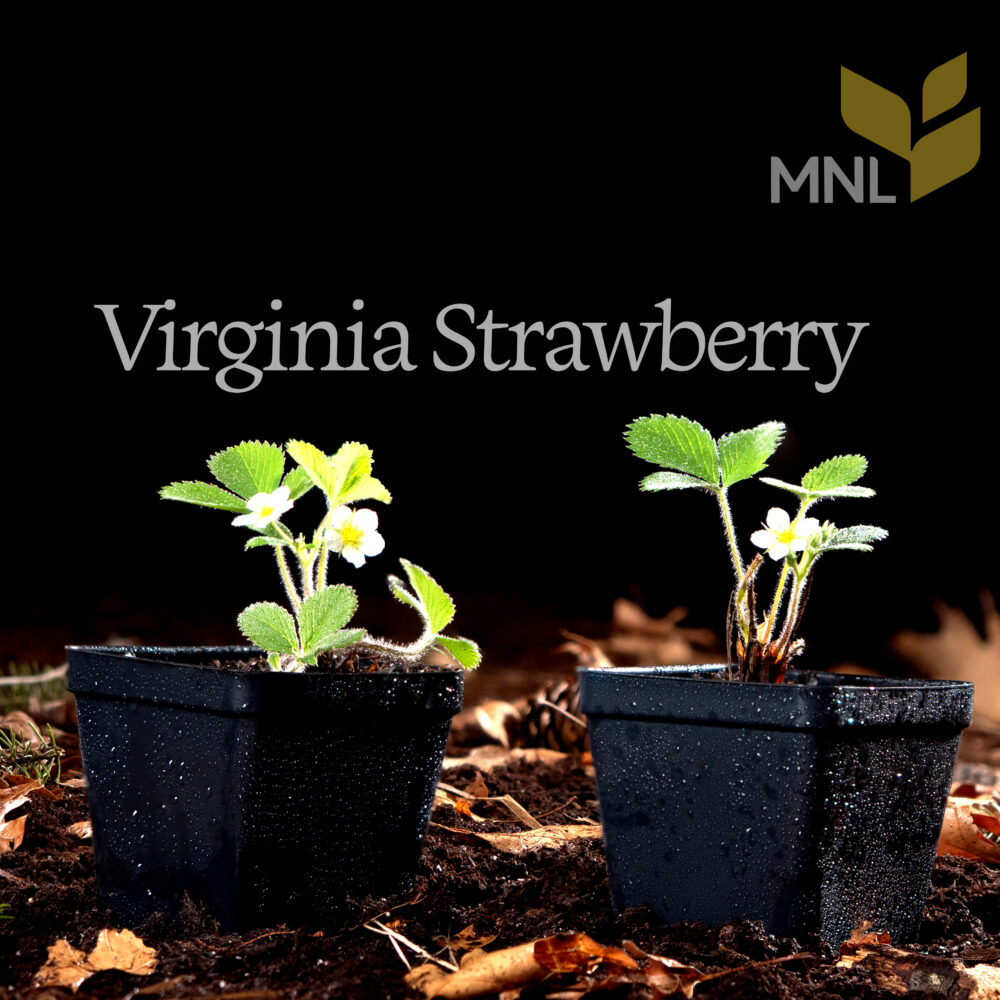
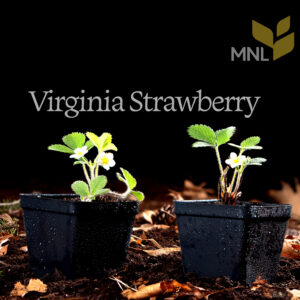
Virginia Strawberry
Fragaria virginiana. This charming, low-growing plant provides excellent ground cover with three-part leaves and white, five-petaled flowers. Grows 4-7″ tall and spreads by runners, forming a soft, green natural mat. A fantastic option for a low-maintenance turf grass alternative. Typically blooming in May to June, tiny red strawberries follow the blossom and provide sweet treats for a variety of critters and wildlife. Extremely resilient and versatile, this native thrives in full sun to part shade and well-drained soil, from prairies to open woods and even garden edges.
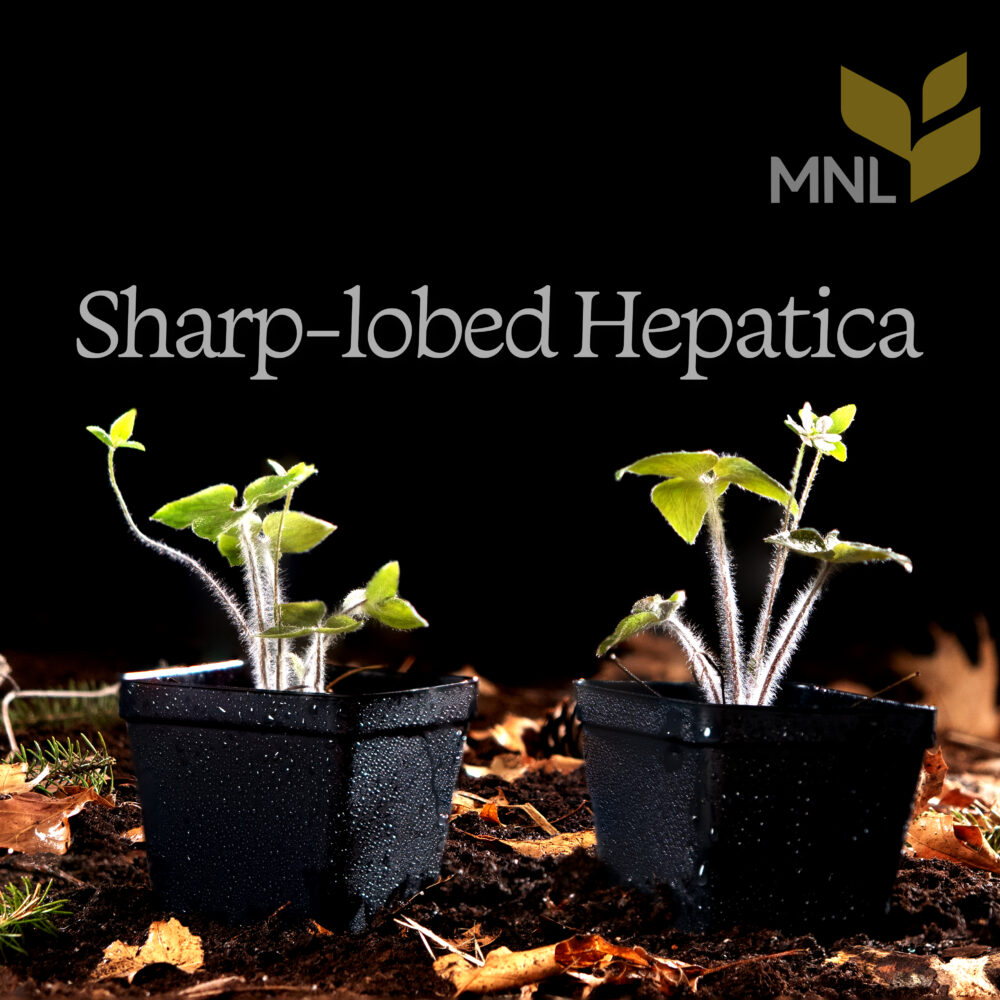
Sharp-lobed Hepatica Sold Out!
Hepatica acutiloba. One of the earliest woodland ephemerals, it begins blooming as early as March, but can be seen into May. Delicate white, pink, or lavender flowers are among the first to poke through woodland leaf litter. Growing 4-6″ tall, three-lobed leaves are leathery and stay green through winter. Thrives in part to full shade and rich, well-drained soil perfect for naturalizing in shady gardens and woodland areas.

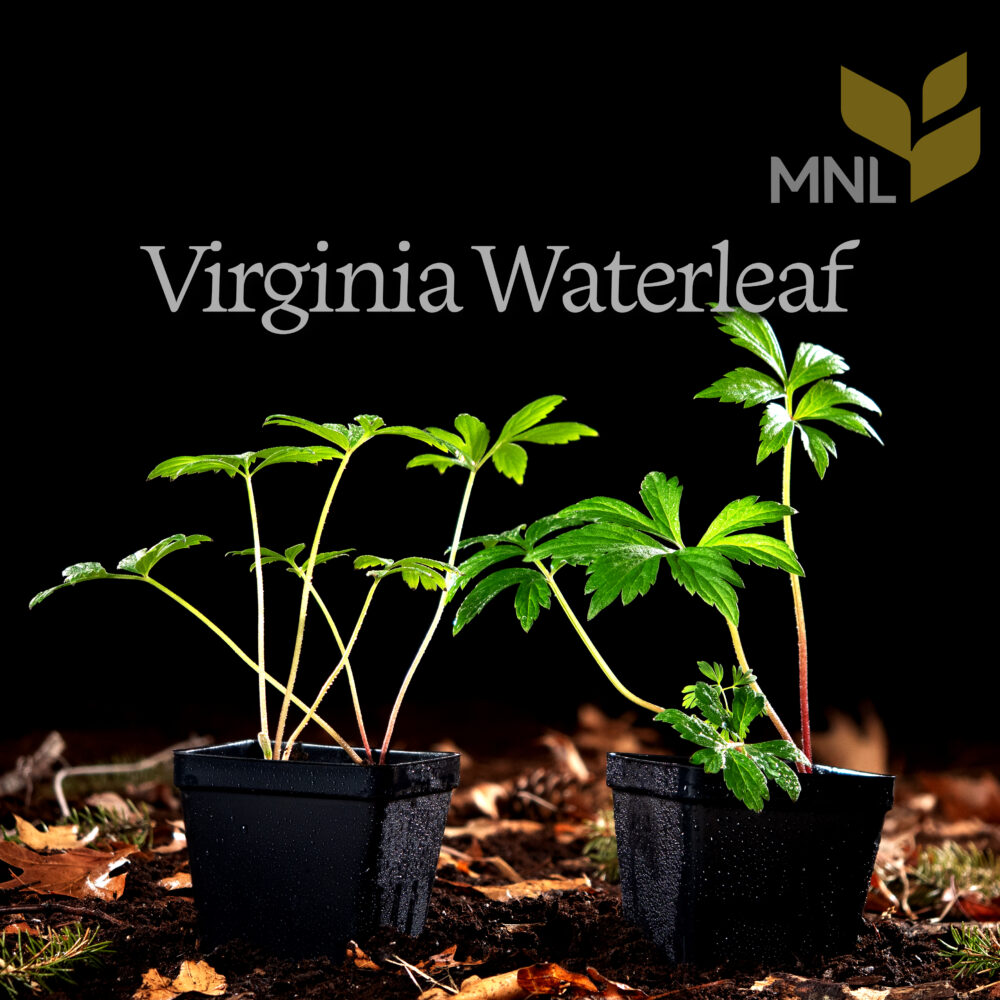
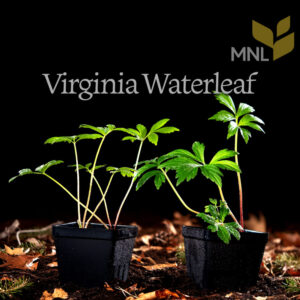
Virginia Waterleaf
Hydrophyllum virginianum. Don’t let the name fool you! Although the scientific name translates to “water leaf,” this is not a wetland plant. A shade-tolerant woodland native known for its soft, textured foliage and willingness to spread and form low-growing colonies over time. The common name comes from its lobed leaves, often marked with pale, water-like spots. In mid to late spring, clusters of small, bell-shaped flowers in lavender to white rise above the foliage, typically reaching 12–18″ tall. Blooms from May to June. Thrives in moist, rich soil and part to full shade. An excellent choice for adding delicate beauty to woodland gardens.
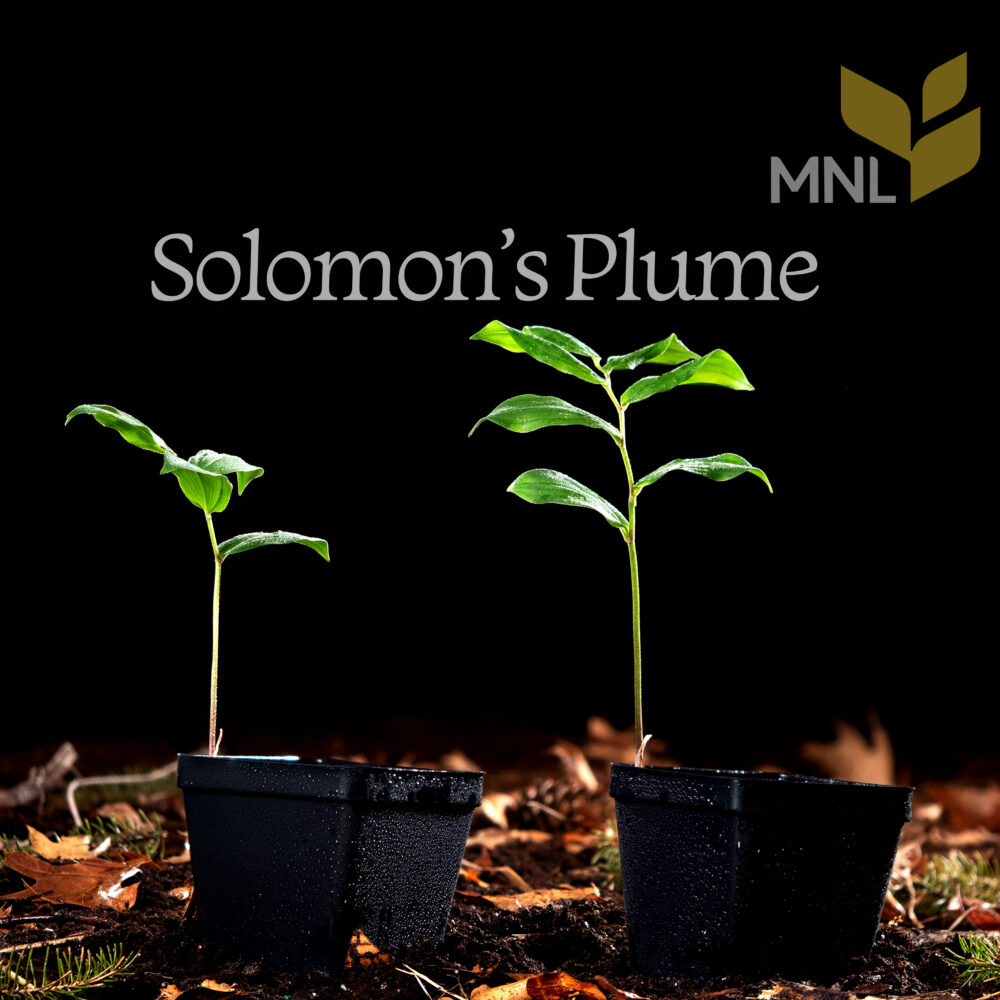
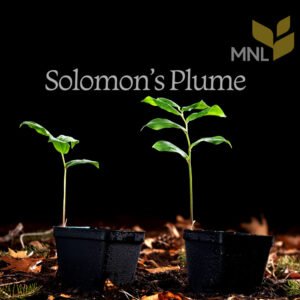
Solomon’s Plume
Maianthemum racemosum. Not to be confused with Solomon’s Seal, this graceful woodland native is known for its feathery, arching flower clusters. Lance-shaped leaves form dense clumps 12–24″ tall. In late spring to early summer, upright plumes of tiny, star-like white flowers rise above the foliage, creating a soft, showy display. Later in summer, small red berries appear, adding seasonal interest and a treat for a variety of woodland birds. Blooms from May to June. Thrives in moist, rich soil and part to full shade. Perfect for naturalized woodland gardens, shaded edges, or adding texture to shady plantings.
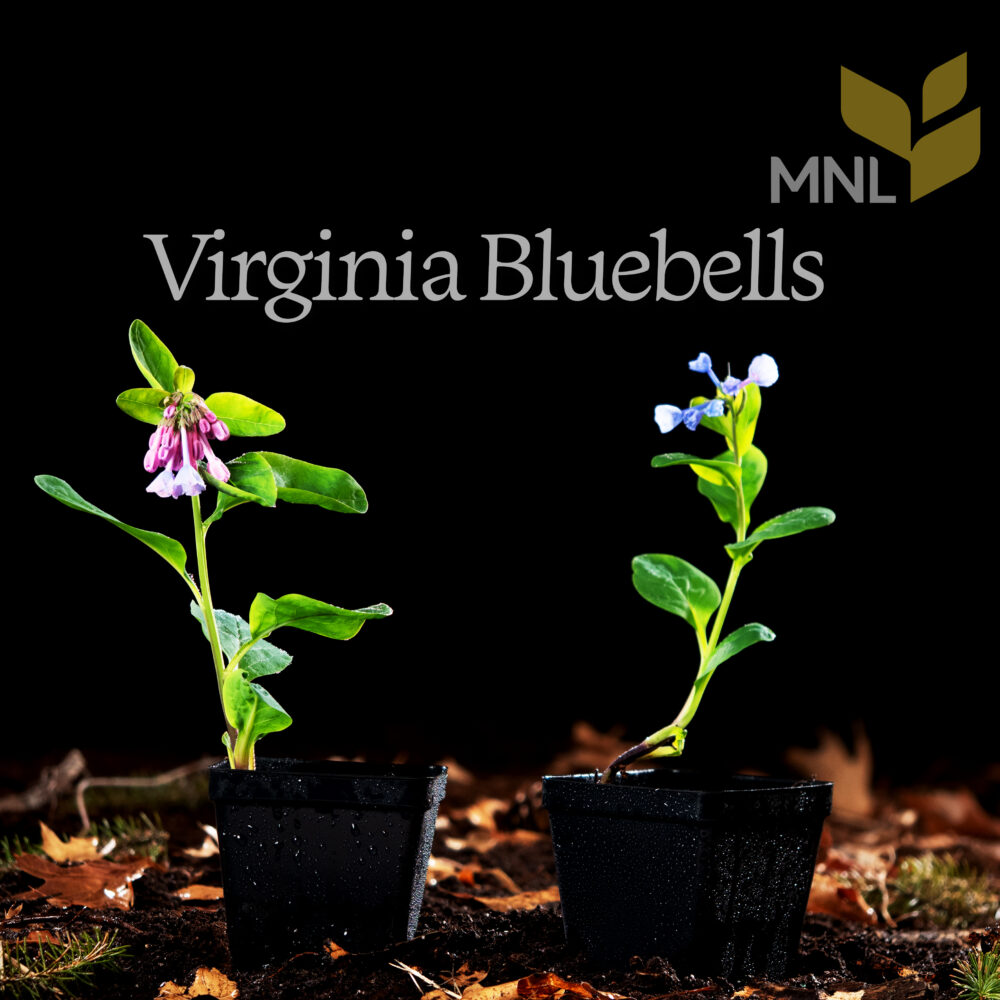
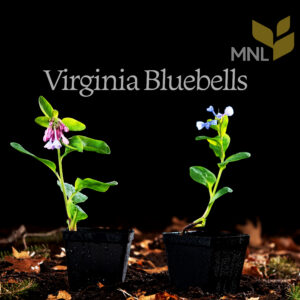
Virginia Bluebells
Mertensia virginica. Virginia Bluebells light up spring woodlands with clusters of bell-shaped flowers. Seemingly magical blossoms start bright pink and turn a stunning blue. Blooming from April to May, will reach heights of 12-24″. An ephemeral, its smooth, blue-green leaves emerge early and disappear by midsummer. Thrive in moist, rich soil and part to full shade, making them ideal for woodland gardens or shady woodland edges.
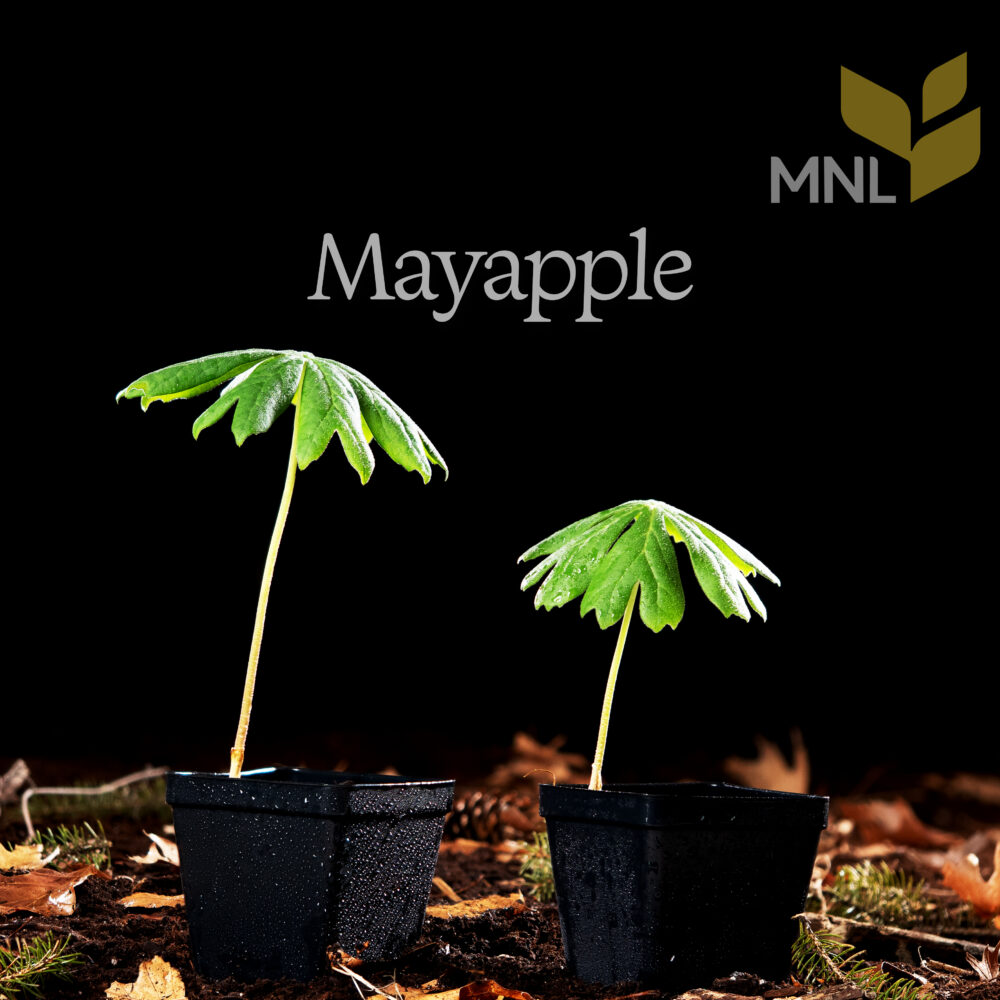
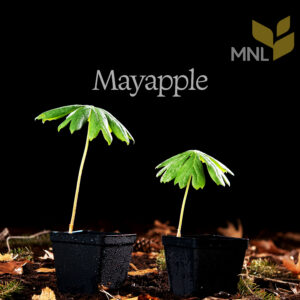
Mayapple
Podophyllum peltatum. Mayapple spreads across woodland floors with large, umbrella-like leaves that can reach 12-18″ in height. In May, these umbrella leaves hide a single white flower, which develops into a small yellow fruit, later in the year. Expect blossoms from April into May. Thrives in part to full shade and moist, rich soil. Mayapple spreads through rhizomes and can expand to form colonies in shady, wooded garden areas.
Solomon’s Seal
Polygonatum biflorum. A classic Minnesota woodland native, found in nearly every county, with elegant, arching stems and paired, lance-shaped leaves. Similar in height and foliage to Solomon’s Plume, but in late spring, small, bell-shaped cream-colored flowers dangle beneath the stems. Small dark blue to black berries follow later in summer. Typically grows 18–36″ tall. Blooms from May to June. Thrives in moist, rich soil and part to full shade. A graceful choice for woodland gardens and shaded borders.

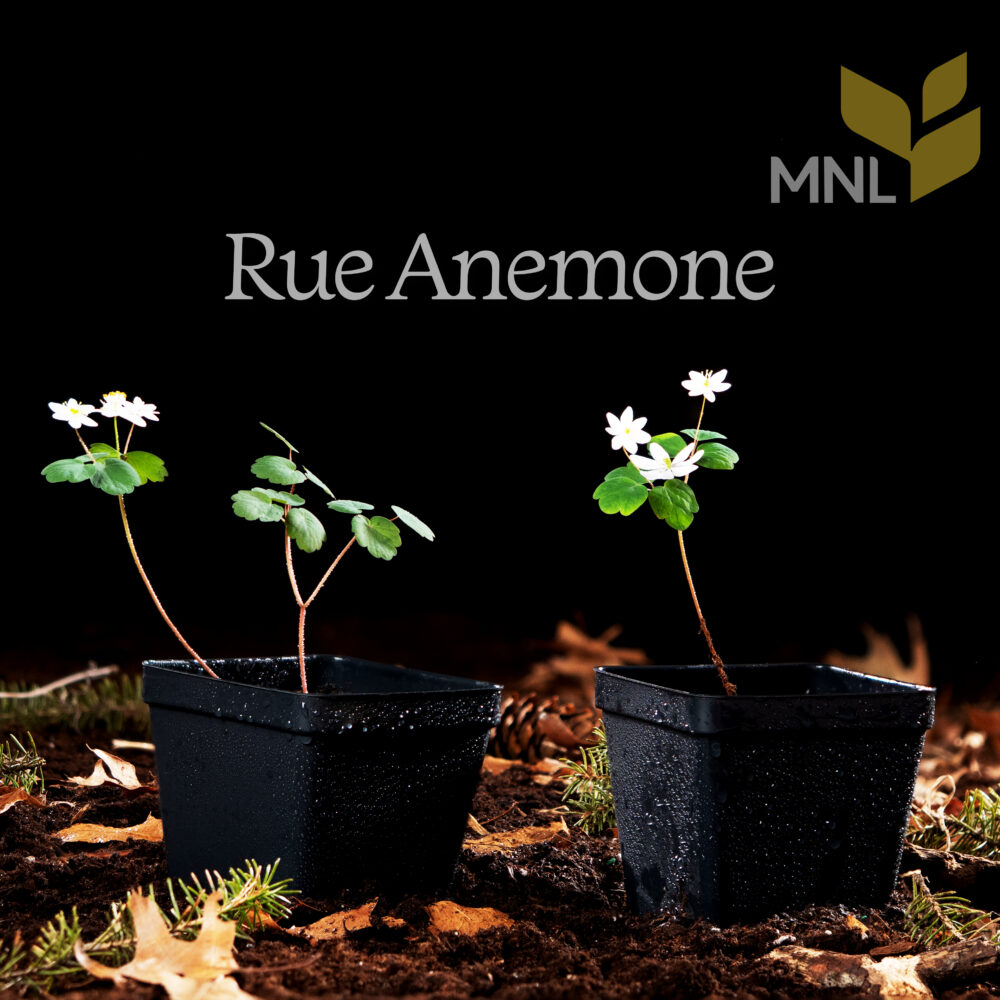
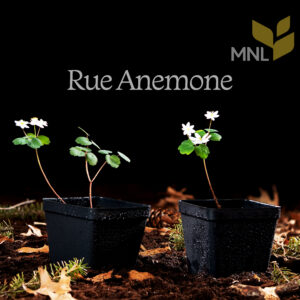
Rue Anemone
Thalictrum thalictroides. Rue Anemone is a delicate spring wildflower with airy white or pale pink blooms. Short in stature, usually ranging from 4-10″ in height, it has soft, divided leaves that resemble Early Meadow Rue. Providing blossoms in April to May, this gentle bloomer prefers part to full shade and rich, well-drained soil. Often found in woodlands, it’s the perfect choice for shady gardens to bring early-season charm before the trees fully leaf.
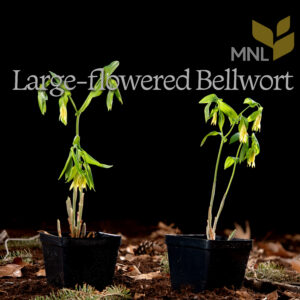
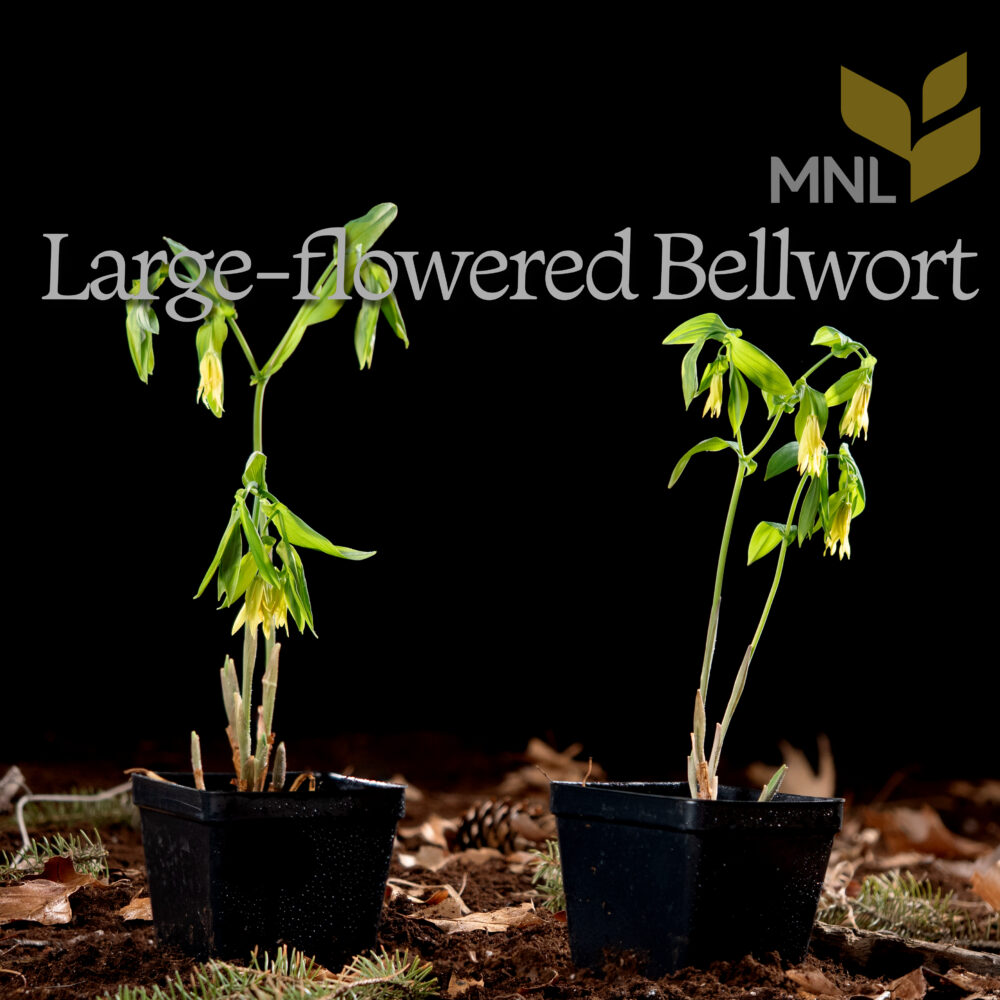
Large-flowered Bellwort Sold Out!
Uvularia grandiflora. Large-flowered Bellwort brings soft elegance to spring woodlands with its drooping, pale yellow, bell-shaped flowers. Blooms appear in April to May and will grow 12-20″ tall. The leaves are light green in color, oval shaped, and grow on all sides as though pierced by the stem. Thrives in part to full shade and moist, rich, well-drained soil. It’s a graceful addition to shady gardens, adding early-season color and a natural woodland feel.